Introduction
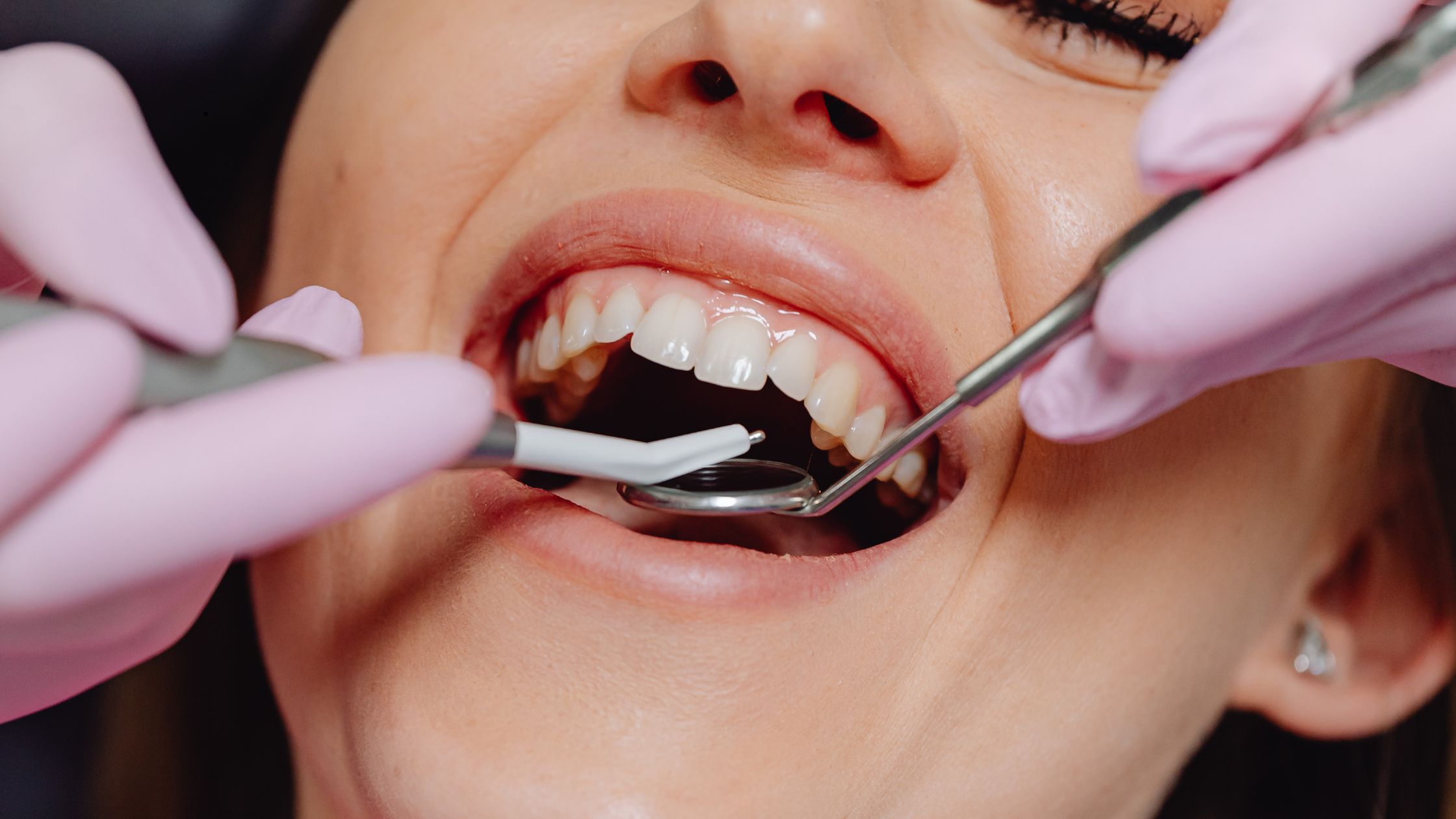
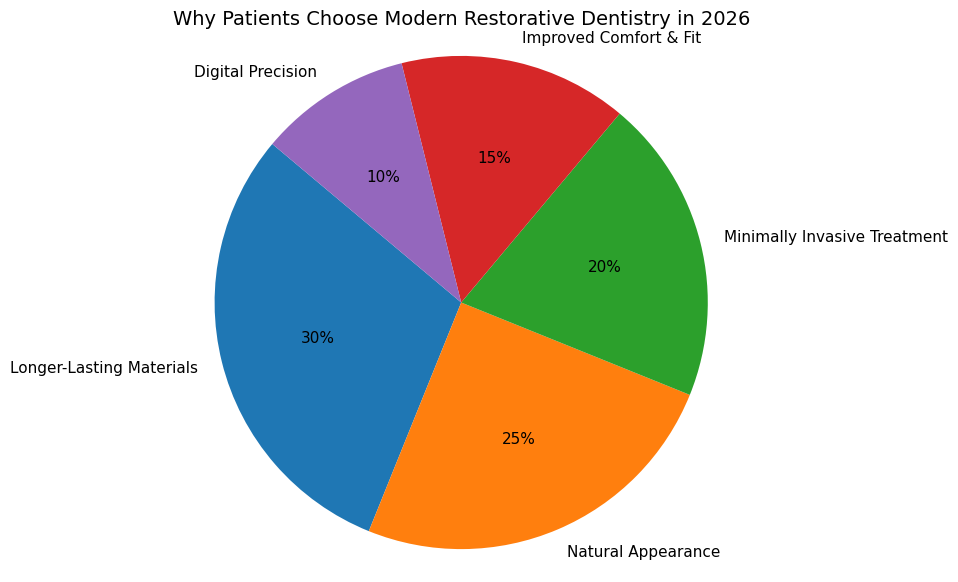
Restorative dentistry has entered a new era. In 2026, patients no longer have to choose between durability, aesthetics, and comfort—modern dental materials now deliver all three. From biocompatible ceramics to digitally designed restorations like dental crowns and implant-supported solutions, today’s treatments are focused on preserving natural tooth structure while providing long-lasting, natural-looking results. This shift has transformed how restorative dentistry restores damaged teeth and how patients experience care close to home.
What Restorative Dentistry Means in 2026
Restorative dentistry focuses on repairing or replacing teeth affected by decay, trauma, wear, or disease. While the goal remains restoring function and appearance, how that goal is achieved has changed significantly.
Modern restorative care emphasizes:
- Minimally invasive techniques
- Stronger, more lifelike materials
- Precision through digital technology
- Long-term oral health, not short-term fixes
The result is restorations that look better, feel more natural, and last longer than ever before.
Advanced Materials Redefining Dental Restorations
High-Strength Zirconia and Ceramic Restorations
Zirconia has become a gold standard in cosmetic and restorative dentistry due to its exceptional strength and natural translucency.. Unlike older metal-based crowns, zirconia restorations resist fractures, withstand heavy biting forces, and blend seamlessly with surrounding teeth.
In 2026, improved ceramic layering techniques allow dentists to customize color, shape, and texture for highly aesthetic outcomes—especially important for visible front teeth.
Next-Generation Composite Resins
Composite materials have evolved far beyond traditional tooth-colored fillings. Modern composites offer:
- Enhanced wear resistance
- Improved bonding strength
- Better color stability over time
These materials allow dentists to preserve more natural tooth structure while still delivering restorations that can last many years with proper care.
Biocompatible and Tooth-Friendly Materials
One of the biggest advancements in 2026 is the increased use of biocompatible materials designed to work with the body, not against it. These materials reduce inflammation, improve tissue response, and lower the risk of sensitivity or allergic reactions.
Some restorative materials now actively support remineralization at the tooth-restoration interface, helping protect against future decay.
Digital Dentistry: Precision That Extends Longevity
Advanced materials reach their full potential when paired with digital dentistry. Technologies such as intraoral scanners and CAD/CAM systems allow dentists to design restorations with remarkable accuracy.
Benefits include:
- Better fit and reduced adjustment time
- Stronger restorations due to precise margins
- Faster turnaround, often with same-day solutions
This level of precision directly contributes to longer-lasting restorations and improved patient comfort.
Minimally Invasive Approaches for Better Outcomes
Modern restorative dentistry prioritizes conserving as much natural tooth structure as possible. Adhesive dentistry techniques enable dentist prince george bc professionals to repair teeth without aggressive drilling.
- Preserves tooth strength
- Reduces post-treatment sensitivity
- Improves long-term success rates
In 2026, this conservative philosophy is central to creating restorations that age well alongside natural teeth.
Who Benefits Most From Modern Restorative Dentistry?
Advanced restorative materials are ideal for patients who:
- Have cracked, worn, or broken teeth
- Need to replace old or failing restorations
- Want durable solutions that look natural
- Prefer minimally invasive dental care
With proper evaluation and planning, restorative treatments can be customized for nearly every dental situation.
Maintenance: Protecting Your Investment
Even the most advanced restorations require ongoing care. Dentists now emphasize preventive dentistry strategies alongside restorative treatments, including professional cleanings, customized home-care plans, and regular monitoring of restorations using digital imaging.
Maintaining your restorations is not just about your teeth—there is a strong connection between oral health and overall health, making regular dental care essential for long-term wellness.
Conclusion
While restorative treatments focus on repairing and replacing teeth, many patients also explore cosmetic options like laser dental whitening to enhance the brightness of their smile after treatment.. Advanced materials—combined with digital technology and minimally invasive techniques—are creating stronger, more natural, and longer-lasting smiles than ever before. For patients seeking reliable dental solutions close to home, modern restorative dentistry offers results that not only restore teeth but also enhance confidence and quality of life.
Frequently Asked Questions
1. What is restorative dentistry?
Restorative dentistry focuses on repairing or replacing damaged teeth to restore function, strength, and natural appearance.
2. How long do modern dental restorations last?
With advanced materials used in 2026, restorations can last 10–20 years or longer with proper care and regular dental visits.
3. Are modern restorative materials safe?
Yes. Today’s materials are biocompatible, metal-free in many cases, and designed to work naturally with teeth and gums.
4. Is restorative dentistry painful?
Modern techniques are minimally invasive and designed for comfort, often reducing post-treatment sensitivity and recovery time.
5. Who needs restorative dentistry?
Anyone with cavities, cracked teeth, worn enamel, or failing old restorations may benefit from restorative dental care.